PR This post contains affiliate links. We only share books our family has read together. この記事にはアフィリエイトリンク(広告)を含みます。紹介するのは、我が家で実際に読んだ本だけです。 How we choose books / 絵本の選び方 →
David tracks mud through the house, plays with his food and runs down the street with no clothes on. Kids can't stop laughing.
どろんこの足で家を歩き、食べ物で遊び、はだかで外にとびだすデイビッド。子供たちは笑いが止まりません。
Every child hears "no" a lot. A book where they get to laugh at someone else's mischief, and then see that he's still loved, is a relief for kids and parents alike.
子供は毎日たくさん「だめ」と言われます。他の子のいたずらを笑って、それでも愛されているとわかる絵本は、子供にも親にもほっとする時間になります。
- Author / 作者
- David Shannon(デイビッド・シャノン)
- Ages / 対象年齢
- Ages 2-6
2〜6歳ごろ - Languages / 言語
- English & Japanese editions / 日本語版・英語版あり
What’s the story? / どんなお話?
David’s mom says “No, David!” on almost every page. He reaches for the cookie jar, splashes the bath water everywhere and bangs pots and pans together.
ほとんどのページで、ママが「だめよ、デイビッド!」。クッキーのびんに手をのばし、お風呂の水をまきちらし、おなべをたたいて大さわぎ。
The pictures are big, wild and funny, drawn the way a child might draw. And at the very end, after all the “no"s, comes a big hug.
子供が描いたような、大胆でゆかいな絵です。そして「だめ」の連続のあと、最後には大きなハグが待っています。
Perfect for… / こんな子・こんな時におすすめ
- Kids in the “no!” stage (and their tired parents)
- Laughing together after a hard day
- Reminding kids they are loved even when they make mistakes
- イヤイヤ期の子(と、ちょっと疲れたママ・パパ)
- 大変な一日のあと、一緒に笑いたい時
- 失敗しても愛されていると伝えたい時
How to use it in bilingual parenting / バイリンガル育児での使い方
Let your child say the mom’s lines in Japanese: だめよ!, あぶない!, しずかに! Then ask, “What should David do instead?” It turns rules into a game.
ママのセリフを子供に日本語で言ってもらいましょう。「だめよ!」「あぶない!」「しずかに!」。そして「デイビッドは かわりに どうしたら いいかな?」と聞くと、きまりが遊びになります。
Try saying this after reading / 読んだあとに言ってみよう
Good to know / 知っておきたいこと
Some parents worry their kids will copy David. In our experience, kids mostly just laugh, and the loving ending helps.
まねしないか心配になる方もいるかもしれません。我が家の経験では、子供たちはほとんど笑っているだけで、最後のやさしい場面がちゃんと伝わります。
Our family’s story / 我が家のエピソード
As a mom, I remember feeling nervous: what if they had fun copying naughty David? But the kids just roared with laughter and said “No, David!” along with me. It’s a book we enjoyed together.
ママとしては、楽しそうにやんちゃなデイビッドの真似したらどうしよう、とドキドキしたのを覚えてます。しかし子供達はゲラゲラ笑いながら、「ノー デイビッド」と一緒に言う、親子で楽しんだ本です。
My kids found “David Gets in Trouble” from the same series even funnier. They especially loved the part where David forgets his pants and goes to school in his underwear!
うちの子はシリーズの「デイビッドがやっちゃった!」の方が面白く、特に、デイビッドがズボンを忘れて下着のパンツで学校に行くところが大好きでした!
Get the book / 購入リンク
Affiliate links: we may earn a small commission, at no extra cost to you. アフィリエイトリンクです。購入者の負担が増えることはありません。
- No, David! (English edition, Amazon.com) / 英語版 →
- だめよ、デイビッド! (Japanese edition, Amazon.co.jp) / 日本語版 →
Saying "it's not" and "don't" in Japanese is part of Book 3 of our textbook, along with likes, dislikes and what you're good at. For kids who can read hiragana.
「〜じゃない」「だめ」の言い方は、教科書3巻で練習します。すきなこと・とくいなことも一緒に。ひらがなが読める子向けです。
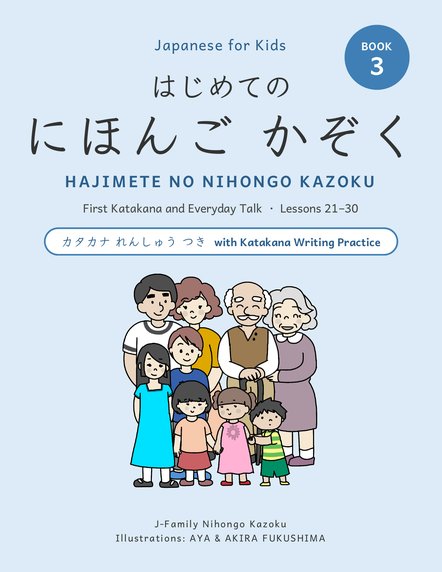
The next step after Books 1 and 2, for children who can read hiragana. Names, mine and yours, whose is it, saying "it's not", hot and cold, cheap and expensive, what you're good at and what you like, all through conversation. Children learn their first 28 katakana, plus long sounds and small tsu and yu, with writing practice.
View on Amazon →As an Amazon Associate, Japanese Family earns from qualifying purchases.
Amazonのアソシエイトとして、Japanese Familyは適格販売により収入を得ています。 How we choose books / 絵本の選び方